
Running a food business involves navigating a variety of complex challenges. From ensuring consistent product quality to meeting regulatory standards, entrepreneurs often face obstacles that slow growth or increase costs.
On top of that, optimizing production, maintaining food safety, and staying competitive in a crowded market can feel overwhelming. This is where food technology consulting experts provide critical support.
They offer actionable solutions for product development, process improvement, and risk management.
By applying their knowledge and experience, businesses can overcome technical and operational challenges efficiently, ensuring high-quality products, satisfied customers, and sustainable growth.
1. Recipe and Product Development
Creating consistent, appealing products can be complex:
Flavor and Texture Optimization: Experts test and refine formulations to balance taste, aroma, and mouthfeel.
Ingredient Substitutions: They identify alternatives that reduce cost without compromising quality.
Scalability: Professionals ensure recipes can be produced consistently in larger batches.
Consulting ensures new products meet consumer expectations while remaining economically viable.
2. Regulatory Compliance
Food businesses must comply with strict laws:
Labeling Standards: Experts help design accurate nutritional and ingredient labels.
Safety Certifications: They guide companies through HACCP, ISO, or other safety protocols.
Local and Federal Guidelines: Consultants navigate food safety regulations to avoid legal issues.
This reduces the risk of penalties, recalls, or market withdrawal.
3. Quality Control and Assurance
Maintaining consistent product quality is essential for brand reputation:
Process Monitoring: Consultants implement checks to maintain product standards.
Supplier Verification: They ensure ingredients meet safety and quality benchmarks.
Testing Protocols: Experts establish lab and sensory tests to detect deviations early.
Reliable quality control keeps consumers satisfied and loyal.
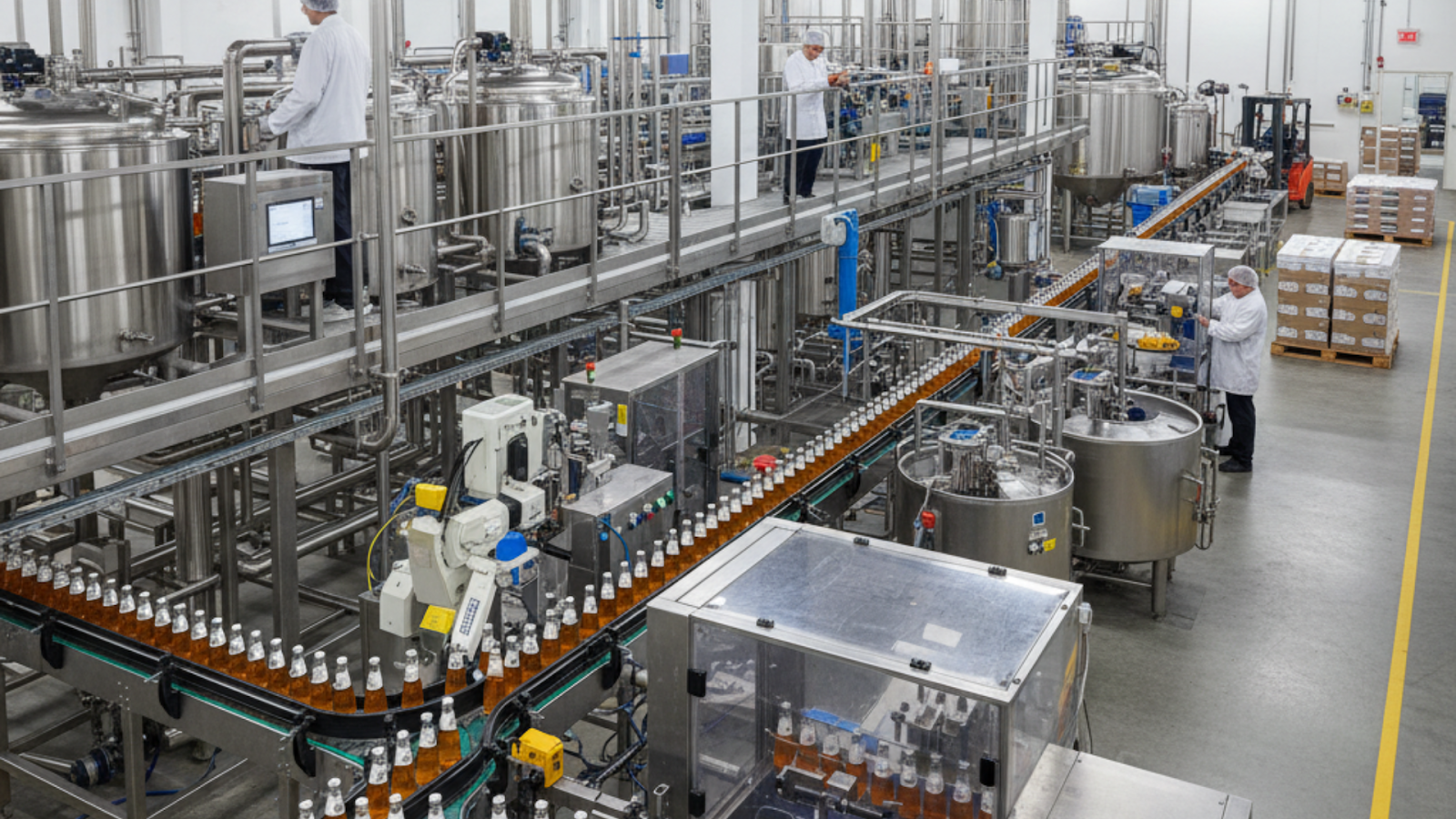
4. Production Efficiency
Inefficient operations can eat into profits:
Workflow Optimization: Experts design streamlined production processes.
Equipment Recommendations: They suggest tools and machines that increase output and reduce waste.
Cost Management: Consulting helps minimize unnecessary expenses while improving productivity.
Efficient production allows businesses to meet demand without compromising quality.
5. Food Safety and Risk Management
Foodborne illnesses can devastate a brand:
Hazard Identification: Consultants pinpoint potential contamination points.
Preventive Measures: They recommend sanitation, storage, and handling protocols.
Crisis Preparedness: Experts help businesses develop response plans for safety incidents.
Proactive risk management protects consumers and the business.
6. Product Shelf Life and Storage
Shelf life affects distribution and profitability:
Stability Testing: Experts determine how long products remain safe and tasty.
Packaging Solutions: They recommend materials that preserve quality and prevent spoilage.
Temperature Control: Consultants advise on storage conditions for optimal product longevity.
Proper guidance reduces waste and ensures products reach consumers in perfect condition.
7. Market Competitiveness
Standing out in a crowded market requires strategy:
Trend Analysis: Consultants identify emerging flavors, ingredients, and formats.
Product Differentiation: They help position products uniquely to attract attention.
Consumer Insights: Experts provide feedback from test groups to refine offerings.
By combining science with market data, businesses create products that sell.
8. Sustainable and Cost-Effective Practices
Sustainability is increasingly important for consumers and profitability:
Resource Optimization: Experts reduce ingredient waste and energy consumption.
Process Innovation: They recommend methods that lower environmental impact.
Cost Reduction: Efficient practices improve profit margins without sacrificing quality.
Sustainability initiatives can enhance brand reputation and long-term growth.
Implementing Expert Guidance
Maximizing the benefits of food technology consulting involves:
Identifying Challenges Early: Determine which aspects of production or product development need support.
Collaborating Closely: Work with consultants to integrate their recommendations effectively.
Continuous Evaluation: Monitor results and adjust strategies to maintain improvements.
A structured approach ensures that expert advice translates into measurable outcomes.
Wrapping Up
Food businesses face multiple challenges, from product development and regulatory compliance to quality assurance and market positioning. Engaging in food technology consulting helps overcome these obstacles efficiently and effectively. Experts provide solutions for recipe optimization, safety protocols, production efficiency, shelf life, and sustainability, allowing businesses to deliver consistent, high-quality products.
By leveraging professional guidance, companies save time, reduce costs, and improve profitability. Whether you are launching a new product or scaling operations, consulting ensures your food business stays competitive, safe, and successful.
Strategic collaboration with experts transforms potential hurdles into opportunities for growth and innovation.











Write a comment ...