
Creating a high-quality alcoholic beverage isn’t just about mixing ingredients. It’s about crafting the perfect balance where each element works in harmony. This delicate interaction is known as ingredient synergy, and it’s the key to producing a consistent, well-rounded product every time.
In this article, we’ll explore how to achieve this consistency in alcoholic beverage formulation and why it’s so important.
What Is Ingredient Synergy?
Ingredient synergy refers to how different ingredients in an alcoholic beverage formulation work together to enhance each other’s qualities. When done right, the result is a product that’s greater than the sum of its parts. Instead of individual flavors or elements standing out, they complement each other, creating a well-balanced taste, aroma, and mouthfeel in the final alcoholic beverage.
For example, in brewing beer, hops provide bitterness, malt adds sweetness, and yeast brings fermentation flavors. If the ingredients are in harmony, the beer will taste smooth and balanced, rather than overly bitter or sweet. That’s the magic of ingredient synergy!
Why Ingredient Synergy Matters
Achieving perfect ingredient synergy is vital for several reasons:
Consistency: It ensures that each batch tastes the same, which is crucial for brand recognition.
Flavor Balance: The right synergy creates a balanced profile that appeals to consumers, whether it's a smooth whiskey or a refreshing craft beer.
Quality: Properly balanced ingredients enhance the overall quality, ensuring a smooth mouthfeel and pleasant aftertaste.
Without synergy, you might end up with an unbalanced drink, with one flavor overpowering the others or the drink lacking the depth and complexity consumers expect.
Factors That Influence Ingredient Synergy
To achieve ingredient synergy, there are a few critical factors to consider:
1. Ingredient Quality and Sourcing
The foundation of ingredient synergy starts with choosing high-quality ingredients.
Fresh, premium hops, grains, and yeast strains all contribute to a better final product. Variability in the quality of ingredients can lead to differences in flavor, which affects consistency.
2. The Interaction of Flavors and Aromas
Flavors don’t just sit in isolation; they interact.
For example, in a spirit like gin, the botanicals (juniper berries, coriander, citrus peel) blend with the base alcohol to create a unique aromatic profile. Each ingredient in the mix influences the others, so understanding how flavors interact is essential for consistency.
3. Fermentation and Chemical Reactions
Fermentation plays a crucial role in the interaction between ingredients, especially when it comes to alcoholic beverages like beer and wine.
Yeast ferments sugars to produce alcohol and other compounds that influence taste. The temperature, time, and environment all impact these chemical reactions, which is why controlling them is key to achieving consistent results.
4. Water and pH Levels
Water is a major ingredient in most alcoholic beverages, especially beer and spirits. The mineral content and pH levels can affect the fermentation process and the overall flavor.
For example, water that’s too soft or too hard can disrupt the fermentation process, leading to inconsistencies.
5. Time and Temperature
The time and temperature during brewing, fermentation, and aging can have a big impact on how ingredients interact.
For example, a whiskey’s flavor profile changes significantly as it ages in wooden barrels, absorbing flavors from the wood and undergoing chemical changes. Managing these elements carefully is key to maintaining consistency.
Achieving Consistency In Alcoholic Beverage Formulation
How do we ensure consistency across each batch?
1. Standardizing Processes
One of the most effective ways to achieve consistency is through standardizing the processes.
This means using the same measurements, procedures, and conditions every time. Whether it’s fermenting beer at a specific temperature or distilling spirits at a certain proof, sticking to a consistent process helps ensure that the final product is always the same.
2. Quality Control
Maintaining strict quality control is essential. Regular testing of ingredients before, during, and after production can help catch any deviations early.
For example, testing the pH of the mash during brewing can ensure that fermentation proceeds correctly.
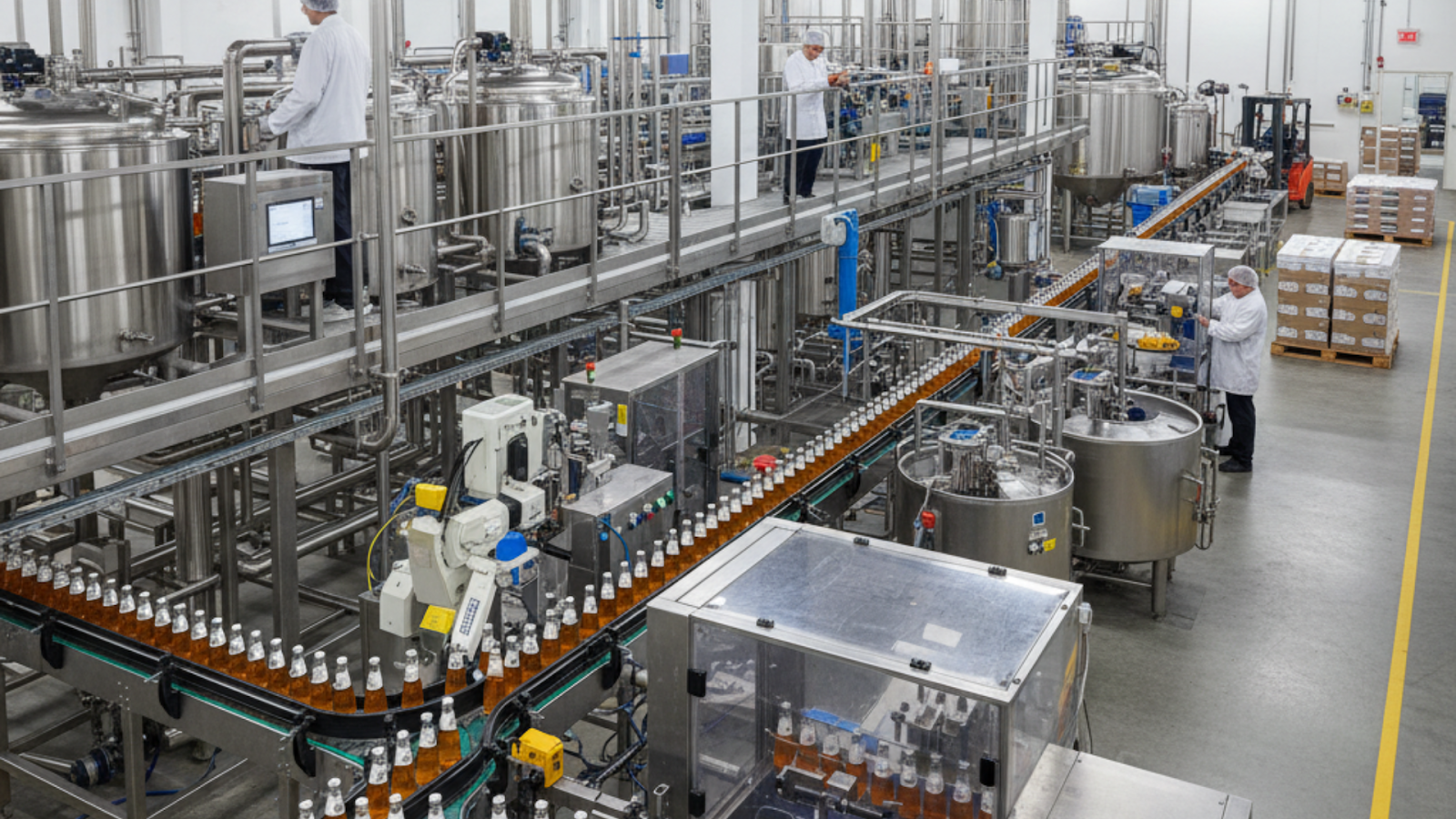
3. Automation and Technology
Modern technology plays a huge role in maintaining consistency. Automated systems can control variables like temperature and timing, reducing the risk of human error.
This ensures that each batch is produced under the same conditions, leading to a consistent end product.
Overcoming Challenges In Ingredient Synergy
Ingredient synergy isn’t always straightforward. There are a few challenges that can arise:
Ingredient Variability: The quality of natural ingredients can fluctuate due to environmental conditions. Farmers may experience a bad harvest, or certain crops might be out of season.
Process Variability: Even small differences in brewing, distilling, or aging processes can lead to variations in the final product. Close monitoring and adjustments can help prevent this.
Balancing Innovation with Consistency: While innovation is important for attracting customers, it’s essential to balance it with consistency. Offering new flavors or limited-edition products is great, but the core product must remain consistent for customer loyalty.
Final Thought
Ingredient synergy is the backbone of consistency in alcoholic beverage formulation. When ingredients interact harmoniously, they produce a balanced, high-quality product that consumers will recognize and enjoy time and time again.
By focusing on ingredient quality, standardized processes, and leveraging technology, beverage makers can achieve the perfect synergy and deliver consistent results.











Write a comment ...